General Anesthesia & Dental Sedation
Dental sedation and general anesthesia provide safe, comfortable treatments with minimal pain and anxiety.
Overview
General anesthesia is a medical procedure that puts a person in deep, unconscious sleep. It is used for a variety of medical procedures, including dental sedation. It is administered through an inhalation device, injection, or intravenous drip. It causes the patient to be completely unaware of their surroundings and any pain associated with the procedure. Dental sedation is used to help reduce anxiety and discomfort during dental procedures, allowing the patient to remain relaxed and calm throughout the procedure.
General anesthesia is a type of sedation used for medical and dental procedures that involve the use of drugs to induce an unconscious state. It is administered by qualified medical professionals in a clinical setting and monitored closely during the entire procedure to ensure the patient's safety and comfort.
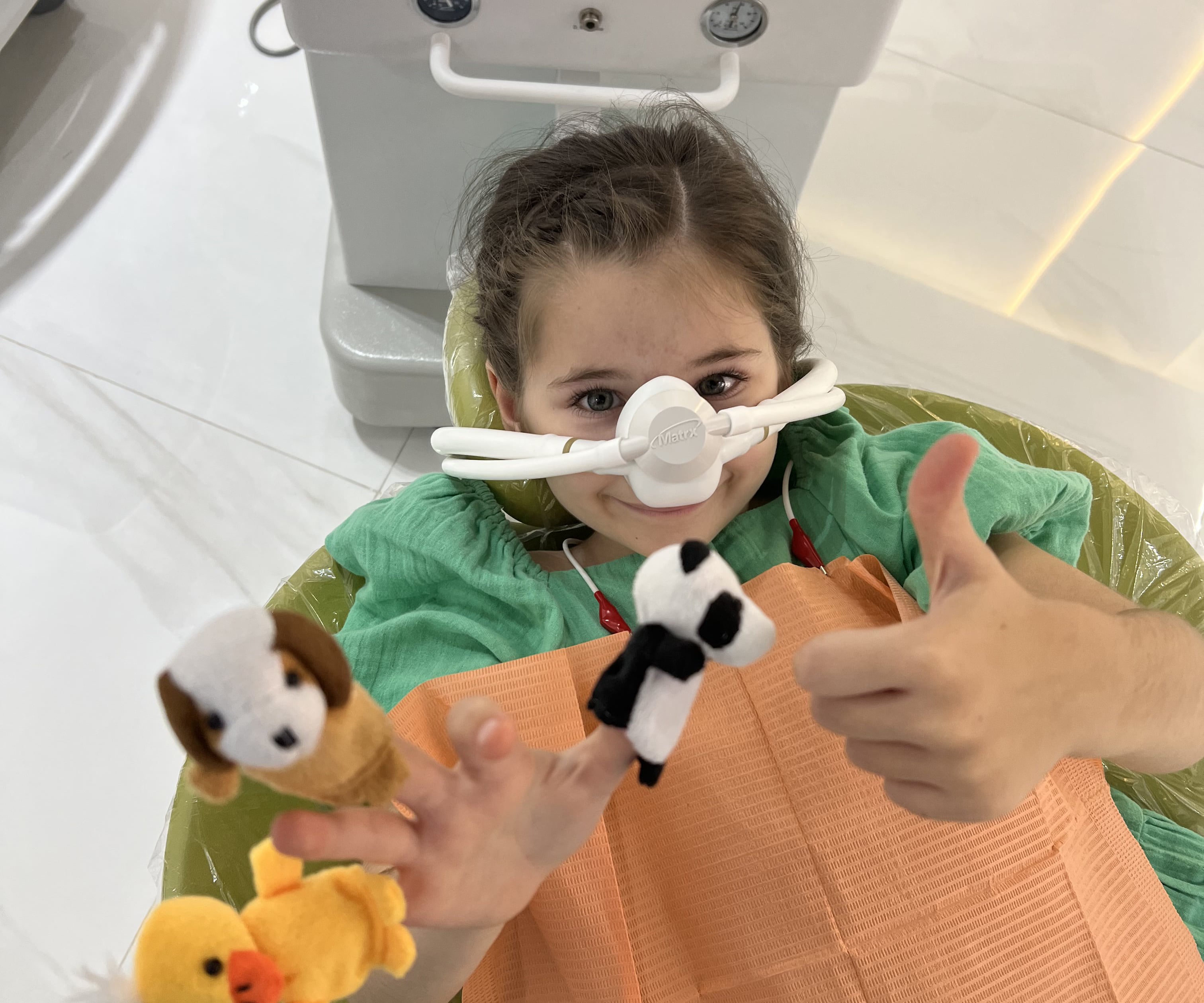
Dental sedation is a type of sedation used to help patients relax during dental procedures. It is administered at different levels depending on the patient's anxiety level and the type of procedure being done. Generally, dental sedation can be divided into three categories: minimal sedation, moderate sedation, and deep sedation. Minimal sedation is used to help the patient relax, while moderate and deep sedation is used to induce a semi- or unconscious state.
Both general anesthesia and dental sedation are important tools in providing safe and comfortable dental care. Both forms of sedation can help to reduce anxiety and discomfort associated with dental procedures and improve the overall experience for the patient.
Causes
Children may require sedation due to severe dental anxiety, fear of dental procedures, young age preventing cooperation, or special needs that make routine care challenging. Extensive treatment needs, inability to tolerate lengthy procedures, and strong gag reflexes also necessitate sedation. Medical conditions or behavioral disorders can make traditional behavior guidance ineffective.
Prevention
Establish a dental home early and schedule regular visits to prevent extensive treatment needs. Use positive reinforcement, desensitization techniques, and tell-show-do methods to reduce anxiety. Maintain excellent oral hygiene at home to minimize decay and the need for complex procedures that might require sedation.
Questions About General Anesthesia & Dental Sedation
Is dental sedation safe for my child?
When performed by trained professionals following AAPD guidelines with proper monitoring, dental sedation is very safe with minimal risks.
How should I prepare my child for sedation dentistry?
Follow fasting instructions carefully, discuss the procedure honestly but simply, bring comfort items, and plan for recovery time at home.
What type of sedation will my child receive?
The sedation method depends on the procedure complexity and your child's needs, ranging from nitrous oxide to oral sedation or general anesthesia.
Related Services
Extensive Dental Checkup
Comprehensive assessment of teeth, gums and oral health to detect and prevent potential issues.
Read More →Preventive Oral Health Care
Preventive oral health care service helps maintain healthy teeth, gums and overall oral hygiene.
Read More →Oral Hygiene Guidance
Oral hygiene guidance service provides personalized advice to maintain healthy teeth and gums.
Read More →Dental Injuries & Emergencies
Emergency dental service for injuries, providing fast relief from pain and restoring your smile.
Read More →