One of the most common causes of severe tooth decay in young children is baby bottle tooth decay, also known as early childhood caries. This condition occurs when a child\'s teeth are exposed to sugary liquids for extended periods, particularly at bedtime. As a pediatric dentist in Dubai, I see this preventable condition far too often.
What Is Baby Bottle Tooth Decay?
Baby bottle tooth decay occurs when sugars from milk, formula, juice, or sweetened drinks pool around the teeth during sleep. During sleep, saliva production decreases significantly, meaning the natural rinsing action that normally protects teeth is greatly reduced. The sugars sit on the teeth all night, feeding bacteria that produce acid and rapidly destroy tooth enamel.
The Only Safe Bedtime Drink: Water
Water is the only drink that is completely safe for a bedtime bottle. It contains zero sugar, zero acid, and zero calories. It does not feed plaque bacteria or contribute to decay in any way. If your child needs a bottle to fall asleep, it should contain only plain water.
Why Milk Is Not Safe at Bedtime
Milk contains lactose, a natural sugar. While milk is nutritious and important for growing children, it should not be in a bedtime bottle. When a child falls asleep with a bottle of milk, the milk pools around the front teeth and feeds bacteria all night. This is the leading cause of baby bottle tooth decay. If your child needs milk before bed, give it to them while they are awake, and brush their teeth afterward.
The Danger of Juice and Sweetened Drinks
Juice is even worse than milk. It contains concentrated sugars and acids that attack enamel directly. Sweetened drinks, including those with honey or sugar added, are equally dangerous. Never put juice, soda, or sweetened drinks in a bedtime bottle.
How to Break the Bottle Habit
If your child currently falls asleep with a bottle of milk or juice, transition gradually. Dilute the milk with increasing amounts of water over 1-2 weeks until the bottle contains only water. Offer a comfort object (blanket, stuffed animal) as a replacement. Establish a bedtime routine that does not center on the bottle: bath, story, brush teeth, bed.
Weaning from the Bottle
The American Academy of Pediatric Dentistry recommends weaning from the bottle by 12-18 months of age. Prolonged bottle use is associated with both tooth decay and orthodontic problems, as the bottle nipple can affect the development of the bite and palate.
Signs of Baby Bottle Tooth Decay
Early signs include white spots on the teeth near the gumline, which indicate early demineralization. As decay progresses, the spots turn brown and the teeth may develop cavities or break. If you notice any of these signs, schedule a dental visit immediately. Early intervention can sometimes reverse early decay with fluoride treatments.
Prevention Is Key
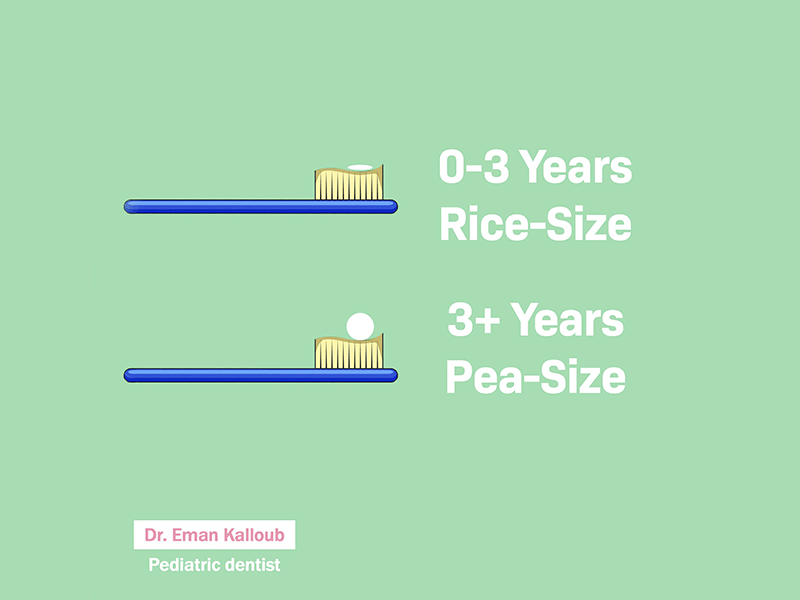
Baby bottle tooth decay is entirely preventable. Never put your child to bed with anything other than water. Clean your baby\'s gums with a damp cloth after feedings. Once teeth appear, brush them twice daily with a rice-sized amount of fluoride toothpaste. Schedule the first dental visit by age 1.
For guidance on preventing baby bottle tooth decay or to schedule your child\'s first dental visit, book an appointment at our Dubai Healthcare City clinic.